
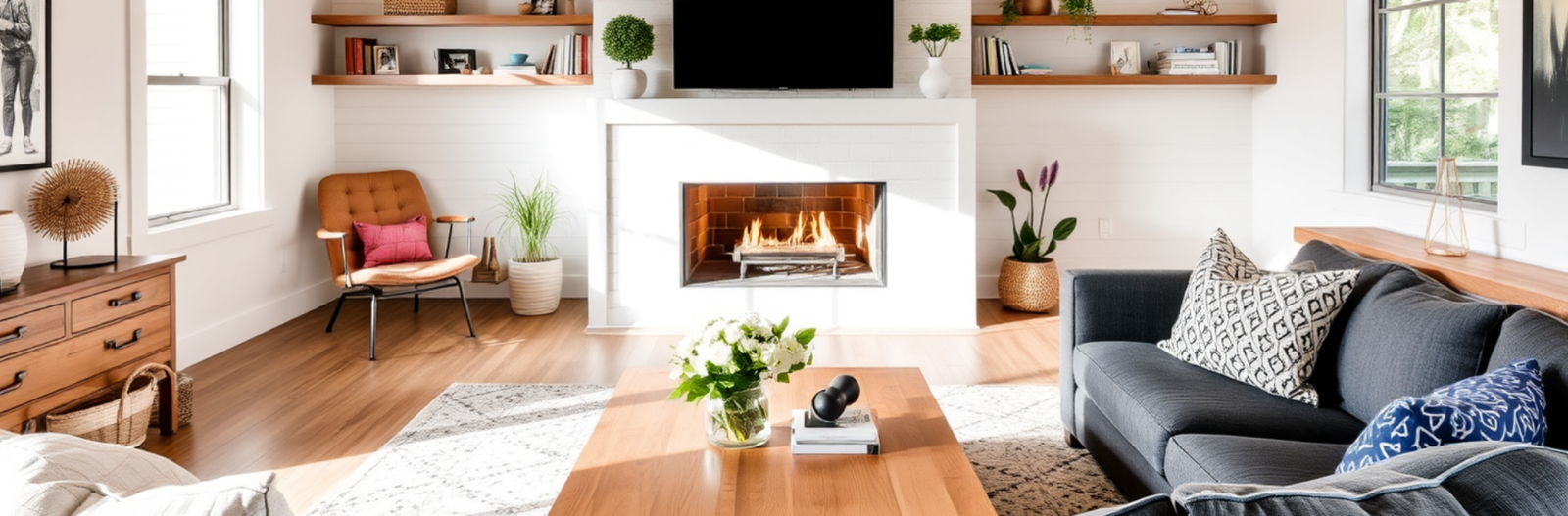

Room Additions continue to be one of the most effective ways to increase usable living space without relocating. Whether you’re considering Home Room Extensions for a growing family or planning larger Home Expansion Additions, understanding the available options and the factors that influence long-term value can help you make a more informed investment.
- • Remodeling industry research consistently shows that kitchens, bathrooms, and additional living space remain among the most desirable home improvements.
- • Well-designed additions can improve both daily functionality and buyer appeal.
- • Construction quality and integration with the existing home significantly influence long-term value.
| Common Addition Type | Primary Purpose | Typical Complexity |
|---|---|---|
| Bedroom Addition | Increase living space | Moderate |
| Family Room Extension | Expand gathering space | Moderate to High |
| Home Office Addition | Dedicated workspace | Moderate |
| Second-Story Addition | Maximum expansion | High |
| Sunroom | Natural light and relaxation | Moderate |
Planning Factors That Influence Project Success
The success of Home Room Extensions depends on more than square footage alone. Structural design, zoning requirements, foundation capacity, roof integration, electrical systems, HVAC performance, and architectural consistency all contribute to the final outcome.
Industry professionals generally recommend evaluating how the new space will function over the next decade rather than focusing only on current needs. Flexible layouts often provide greater long-term value than highly specialized rooms.
- ✓ Larger projects generally involve longer permitting and construction schedules.
- ✓ Energy-efficient designs can help reduce future operating costs.
- ✓ Proper planning reduces the likelihood of expensive design changes during construction.
| Planning Consideration | Why It Matters | Potential Impact |
|---|---|---|
| Foundation | Supports structural loads | Long-term durability |
| Roof Integration | Prevents water intrusion | Weather protection |
| HVAC Capacity | Maintains comfort | Energy efficiency |
| Electrical Upgrades | Supports modern usage | Safety and convenience |
| Natural Lighting | Improves usability | Enhanced comfort |
Comparing Home Expansion Options
Not every expansion project serves the same purpose. Smaller Room Additions often focus on solving immediate space limitations, while larger Home Expansion Additions may completely change how a home functions.
- • Open, flexible spaces typically appeal to a broader range of future buyers.
- • Energy-efficient insulation, windows, and HVAC upgrades contribute to year-round comfort.
- • Matching exterior finishes helps additions blend seamlessly with the original structure.
| Expansion Option | Best For | Primary Advantage |
|---|---|---|
| Single-Room Addition | Growing families | Targeted expansion |
| Rear Home Extension | Larger kitchens and living rooms | Improved entertaining space |
| Second Story | Limited lot size | Maximum square footage |
| Garage Conversion | Budget-conscious renovations | Uses existing structure |
| Sunroom Addition | Lifestyle enhancement | Natural daylight |
- ✓ Projects with clear objectives are generally easier to budget and schedule.
- ✓ High-quality materials often reduce long-term maintenance requirements.
- ✓ Professional planning improves construction efficiency and overall project quality.
Making a Well-Informed Investment
The best Room Additions are those that solve genuine space challenges while complementing the home’s architecture and supporting future needs. Successful Home Room Extensions combine thoughtful design, durable materials, and professional construction practices to create spaces that feel original rather than added later.
Whether you’re building a new bedroom, expanding a kitchen, or planning larger Home Expansion Additions, careful planning remains the strongest predictor of long-term success. By balancing functionality, structural integrity, energy efficiency, and design consistency, homeowners can create additions that improve everyday living while strengthening the property’s long-term value.